Find the right suspension parts for Australia. Engineered to outperform, built for every road.
Search by
SuperPro Camber Bolts
Understanding camber alignment is essential for maintaining predictable handling, even tyre wear and consistent performance across a wide range of driving conditions. Camber describes the tilt of the wheels relative to the road, and even a small shift in this angle can influence how a vehicle behaves during cornering, braking or everyday travel. When camber angles move outside their intended range, tyres wear unevenly, steering response becomes less precise and overall stability can diminish. SuperPro camber bolts provide a targeted way to correct these changes by offering precise adjustment and long term reliability. They allow the suspension to regain its intended geometry and support vehicles used for commuting, off road driving or performance applications.
Drivers and enthusiasts who want stronger control over how their vehicle handles often start by understanding how camber interacts with the rest of the suspension system. Camber affects steering accuracy, cornering grip and the size of the tyre’s contact patch. When the camber angle is correctly set, the tyre sits squarely on the road, which improves stopping performance and extends tyre life. When the angle shifts, the tyre no longer distributes load evenly. SuperPro cam bolts, including the full range of SuperPro camber bolts available for various vehicle types, give technicians and owners the adjustment range needed to restore the intended driving characteristics.
What Camber Means for Your Vehicle
Camber is one of the foundational alignment angles that determines how a tyre meets the road. When technicians refer to camber, they are describing the inward or outward angle of the wheel when viewed from the front of the vehicle. This angle influences how the tyre distributes load across its contact patch. Even a small shift in camber can alter grip characteristics, affect steering feel and change the rate at which tyres wear.
Positive camber occurs when the top of the wheel leans outward. Negative camber occurs when the top of the wheel leans inward. Each condition has benefits and drawbacks depending on how the vehicle is used. A controlled amount of negative camber can improve grip in corners by keeping the tyre square to the road as the vehicle leans. Too much negative camber, however, concentrates wear on the inside shoulder of the tyre and reduces straight-line braking stability. Excessive positive camber can make steering feel vague and can reduce traction during cornering.
Manufacturers determine camber angles to create a safe, predictable and comfortable driving experience. These values support even tyre wear, consistent braking performance and stable handling. When components age or when suspension height changes, these camber angles can move out of their intended position. Once that occurs, camber adjustment is necessary to return the geometry to its proper state. Understanding how camber bolts influence this process gives drivers more control over vehicle performance and tyre maintenance.
Correct camber plays a role in vehicle safety as well. A tyre that no longer sits flat on the road has reduced braking capability and inconsistent traction across different driving conditions. For those who want an accurate and durable method of achieving correct camber, the full selection of SuperPro camber bolts provides a reliable range of adjustment suitable for a wide variety of vehicles.
Why Camber Matters for Tyre Wear and Overall Handling
Tyres are engineered to perform at their best when they make full and even contact with the road. When camber angles shift outside the proper range, the tyre becomes angled relative to the surface. The most common sign of camber misalignment is uneven tyre wear. This wear typically shows up on the inner or outer shoulder, depending on whether the wheel has too much negative or positive camber. Left uncorrected, tyre life is significantly reduced, and the vehicle becomes more sensitive to road imperfections.
Handling is also affected. A vehicle with incorrect camber will often feel unstable during lane changes or while cornering. The steering may require more corrections to maintain a straight path, especially at highway speeds. Improper camber settings can also influence braking performance by reducing the size of the tyre’s contact patch, especially under load.
Even small changes in camber angles can have a noticeable effect on driving behaviour. Suspension modifications, worn components or even a single pothole impact can cause shifts in camber settings. This is why using quality alignment hardware becomes important. SuperPro components use high-strength materials that resist distortion and hold the alignment stable over time. Drivers comparing options for alignment correction can find the appropriate choices by reviewing the available SuperPro camber bolts designed to match their vehicle type.
For those engaged in performance driving, accurate camber settings can provide a tuning advantage. A well balanced camber angle helps maintain grip during cornering and supports consistent lateral traction. A cambolt or multiple cambolts can provide the fine adjustments needed for more demanding conditions. While track setups often favour controlled negative camber, daily driving benefits from more neutral positions that protect tyre life and road comfort. Having the right hardware in place gives drivers the flexibility to adapt their alignment to their priorities.
How SuperPro Camber Bolts Work
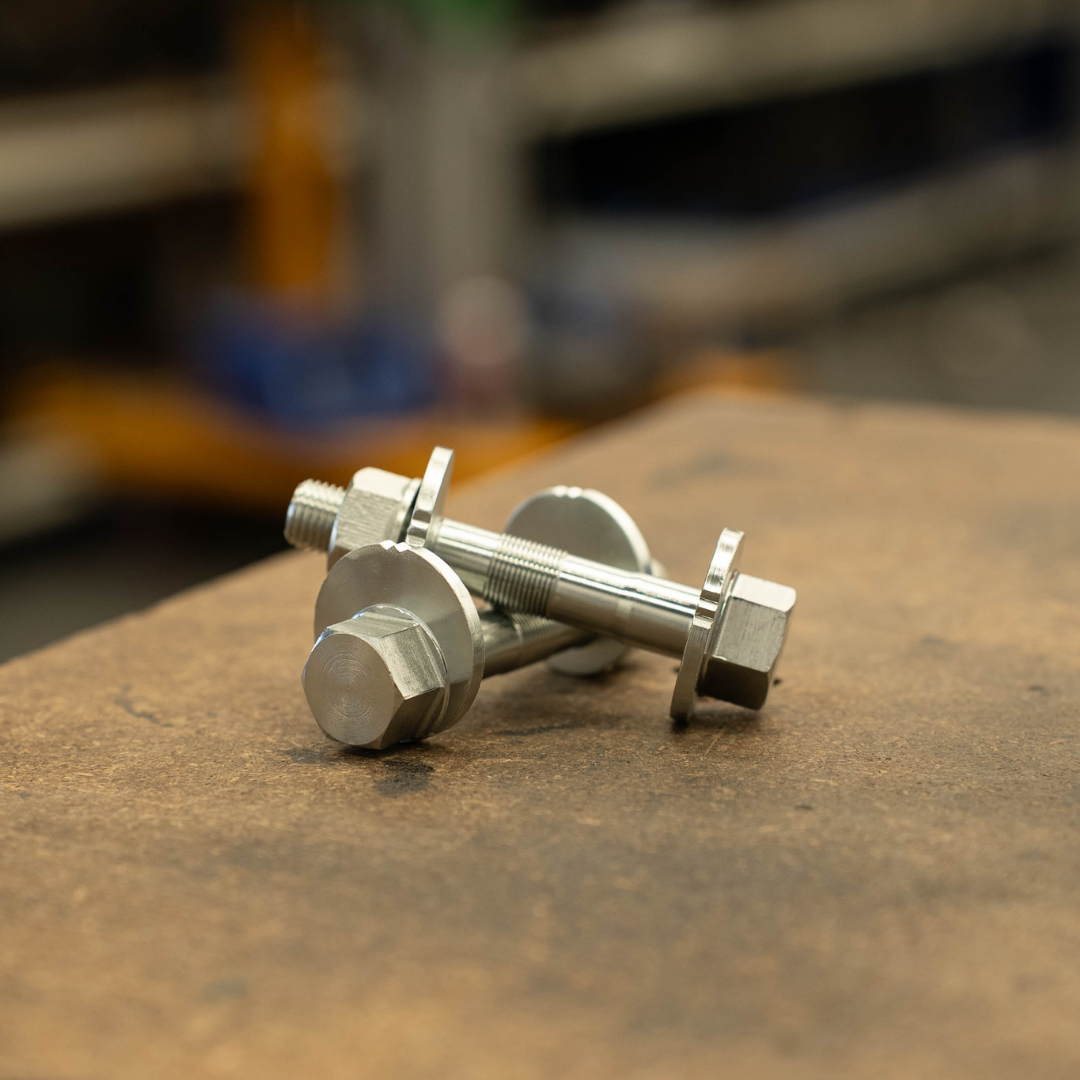
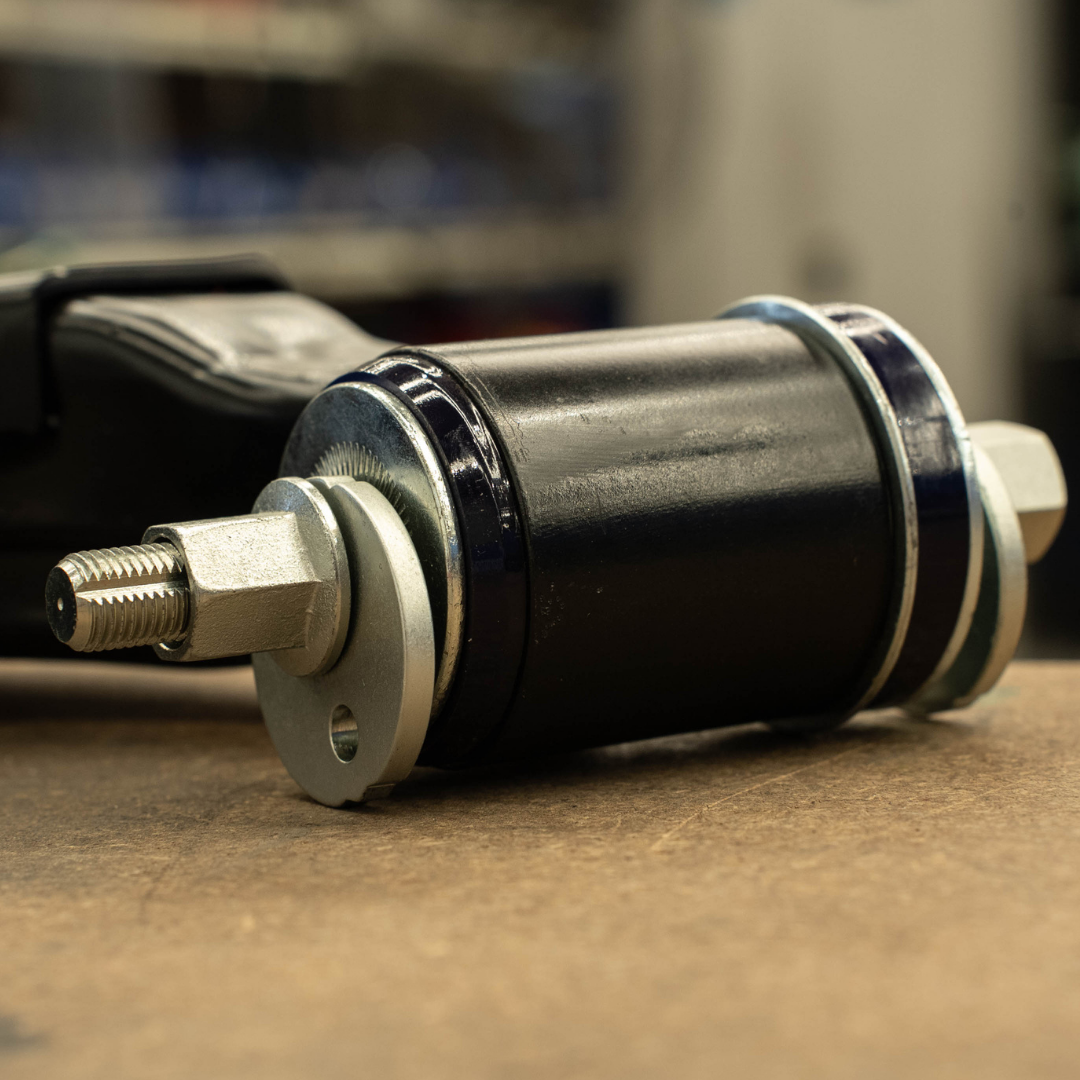
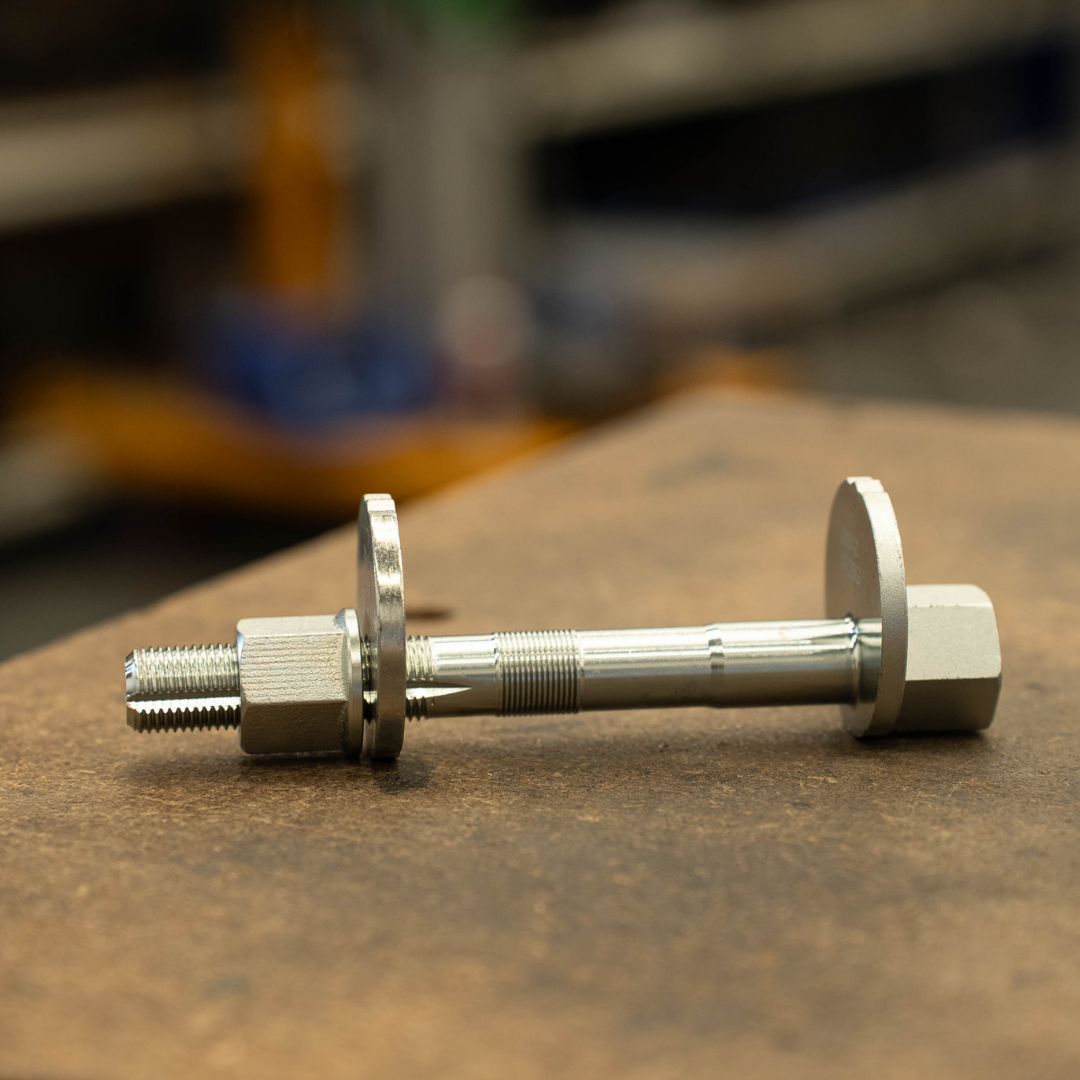
A cam bolt is a specially engineered fastener that allows controlled movement of the wheel hub or strut assembly during alignment. Instead of being a simple round bolt, it includes an offset center or eccentric section that creates movement relative to the mounting point as the bolt is rotated. This rotation changes the camber angle and enables precise alignment. With this mechanism, camber adjustment becomes possible even on vehicles that provide limited factory options.
SuperPro cam bolts are built using high quality materials chosen for strength, durability and resistance to corrosion. These characteristics are important because alignment settings must remain stable under load. Every time a vehicle drives across bumps or through corners, the suspension is placed under stress. Low grade hardware may distort or slip, causing the alignment to shift. SuperPro components are manufactured to maintain their structural integrity and resist movement.
These bolts are popular among technicians because they provide smooth and predictable adjustment. This consistency helps ensure accurate camber angles, which is important for achieving balanced handling and even tyre wear. They are particularly valuable when suspension height has been altered, such as on lowered performance vehicles or lifted four wheel drives. Anyone planning suspension modifications or seeking to correct camber drift caused by wear can review SuperPro camber bolts to find the suitable product for their needs.
Vehicles with strut type front suspension benefit the most from cam bolts because the strut influences both camber and caster angles.
Although caster adjustments typically require different components, cam bolts provide the necessary control for camber alone. This makes them a compact and efficient solution when alignment correction is needed.
Incorrect camber is often responsible for handling issues that drivers notice every day.
Uneven tyre wear: This is typically the first symptom. Inside edge wear usually indicates excessive negative camber, while outside wear points to too much positive camber.
Unsteady steering: A vehicle that requires frequent steering corrections may have camber settings outside the appropriate range. Restoring alignment improves stability and reduces driver fatigue.
Post modification misalignment: Suspension upgrades frequently alter camber angles. Correcting these changes ensures the vehicle behaves as intended.
Off road use: Level changes in off road environments can affect camber momentarily or permanently. Regular inspections and the use of dependable hardware help maintain proper alignment.
Braking inconsistencies: When the tyre does not sit flat on the road, braking distances may increase. Maintaining correct camber supports more predictable braking.
A trained technician may recommend SuperPro camber bolts to diagnose and correct these issues effectively.
Choosing the Right Camber Bolts for Your Vehicle
Different vehicles require different levels of camber adjustment. Choosing the correct hardware ensures the alignment remains stable and effective.
Standard road cars: These vehicles often need moderate correction to restore factory settings. A single cam bolt on each side is usually sufficient.
Four wheel drives and off road vehicles: Lifted vehicles frequently experience significant camber changes. Cam bolts make it possible to restore proper steering and tyre wear after height alterations.
Performance vehicles: Track and performance oriented setups may require precise camber angles to improve cornering response. A set of high quality cambolts allows customised adjustment.
Those looking for pre selected options across various diameters can also compare SuperPro camber bolt adjusting kits, which include sizes ranging from 10mm through to 17mm, with each kit offering different adjustment capabilities depending on the vehicle’s suspension design.
Each of these sizes can also be purchased individually. Regardless of the option chosen, the vehicle will require a full alignment after installation to ensure the camber angles are accurate and balanced.
Installation Overview
Installing cam bolts is a straightforward process for qualified technicians. The original bolt in the strut or knuckle assembly is replaced with the adjustable component. Once the new bolt is in place, it is torqued to the correct specification, and the technician rotates the offset center to achieve the desired camber position.
The next step is a full alignment, which verifies whether the camber angles match the intended specifications. Because camber interacts with toe and sometimes caster, the technician will perform a complete alignment check to ensure the geometry is balanced.
While enthusiasts with mechanical experience may be able to install cam bolts themselves, a professional workshop is recommended for achieving the most accurate results.
When working across multiple wheel positions or varying strut diameters, technicians may choose to use SuperPro camber bolt adjusting kits, as these provide matched sizing options from 10mm up to 17mm to ensure consistent alignment results across the vehicle.
Most workshops reference the available SuperPro camber bolts list to ensure compatibility before installation begins.
Real World Applications and Use Cases
Camber adjustment affects many different driving situations. Understanding these scenarios helps drivers decide when cam bolts may be useful.
Daily commuters: Correct camber helps ensure tyres wear evenly and the vehicle responds consistently during typical driving. This is especially important for those who travel long distances or rely on predictable handling in various weather conditions.
Off road vehicles: When a vehicle is lifted for clearance, camber often shifts into an undesirable position. Cam bolts help restore the front end geometry and ensure the wheels sit properly on the ground even when the suspension operates through wide ranges of movement.
Towing: Tow vehicles often experience changes in how the weight is distributed across the chassis. Camber correction helps maintain front end control and improves braking and stability when the vehicle is towing heavy loads.
Performance driving: A carefully tuned camber angle can improve cornering grip, especially during sustained lateral loads. Alignment adjustments for performance use require reliable hardware. A cambolt system provides the fine control needed for this type of tuning.
Lowered vehicles: Lowering springs or coilovers commonly create excessive negative camber. Cam bolts provide an efficient way to correct this and protect tyre wear.
Throughout these applications, drivers often start by reviewing SuperPro camber bolts to find hardware suited to their vehicle’s specific needs.
Why Choose SuperPro
SuperPro has earned a strong reputation for producing reliable and long lasting suspension components. Their focus on engineering quality ensures that each part is designed to withstand harsh environments and repeated load cycles. The materials used provide resistance to corrosion and ensure that the component maintains its structural integrity long term.
SuperPro alignment hardware is tested to confirm it provides consistent performance. Whether the vehicle is used for commuting, touring, performance driving or off road adventures, SuperPro camber bolts offer a dependable way to maintain proper alignment. Drivers benefit from improved handling, reduced tyre wear and overall stability.
Drivers interested in restoring proper alignment, improving handling or increasing tyre longevity can explore the full range of SuperPro camber bolts or compare SuperPro camber bolt adjusting kits to identify the best option for their vehicle.
SuperPro Camber Bolts FAQs
What are camber bolts used for?
Camber bolts are used to adjust the camber angle of a wheel so it tilts correctly relative to the road. By allowing fine camber adjustment, they help correct uneven tyre wear, improve handling stability and bring suspension geometry back within the target range after modifications or wear.
Where are camber bolts located on a vehicle?
On most vehicles with MacPherson strut suspension, camber bolts are located in the strut-to-knuckle mounting points. One of the factory bolts in this position is replaced with a cam bolt so the technician can rotate it during alignment to change the camber angle.
What does a camber bolt do?
A camber bolt has an eccentric or offset shape that moves the knuckle slightly as it is rotated. This movement changes the wheel’s camber angle, allowing the alignment technician to set how far the top of the wheel leans inward or outward for better tyre contact and more predictable handling.
Do all cars come equipped with camber bolts from the factory?
No. Many vehicles do not have dedicated camber bolts as original equipment and offer little or no factory camber adjustment. In those cases, aftermarket camber hardware is fitted so the technician can bring camber settings back within specification after suspension changes or height adjustments.
Do I need a wheel alignment after installing camber bolts?
Yes. A wheel alignment is required after camber bolts are installed because changing camber also affects other alignment angles, such as toe. A professional alignment ensures all settings are correct so the vehicle remains safe, stable and easy on tyres.
What is the difference between a cam bolt and a regular bolt?
A regular bolt simply clamps components together and does not affect alignment when it is turned. A cam bolt has an eccentric centre or lobe that shifts the knuckle slightly as it rotates, which lets the technician adjust the camber angle. That built-in movement is what makes it an alignment tool rather than just a fastener.
How do camber bolts help correct negative or positive camber?
By rotating the cam bolt during alignment, the knuckle is moved inward or outward in small steps. This lets the technician reduce excessive negative camber or excessive positive camber and bring the camber angle back into the recommended range so the tyre sits more evenly on the road.
Can camber bolts be used with lifted or lowered suspension?
Yes. When a vehicle is lifted or lowered, camber often moves outside the ideal range. Camber bolts are commonly used on raised four wheel drives and lowered performance vehicles so that the suspension can be adjusted back to suitable camber settings for safe handling and better tyre life.
Are camber bolts safe for performance or off-road driving?
High quality cambolts are engineered to handle the loads experienced in performance and off-road conditions when installed correctly. They are made from strong materials that resist bending and slipping, helping the camber setting stay stable through cornering, braking and suspension travel.
How do I know which size camber bolt my vehicle needs?
The correct size is based on the diameter of the original strut bolt and the suspension design. Common sizes include 10mm, 12mm, 14mm and 17mm cambolts. Measuring the factory bolt, checking service information or using a fitment guide will confirm the right camber bolt size for your vehicle.
If you are using Internet Explorer to browse this website, you may get unexpected errors when viewing pages or purchasing products through our checkout.

 AU
AU United Kingdom
 Europe
 United States